
National Wetlands Monitoring Workshop in Observance of World Wetlands Day
February 24 2024
Saint Lucia is strengthening its defence against climate change, enhancing national capacity for wetland protection, monitoring, and sustainable management across the island.
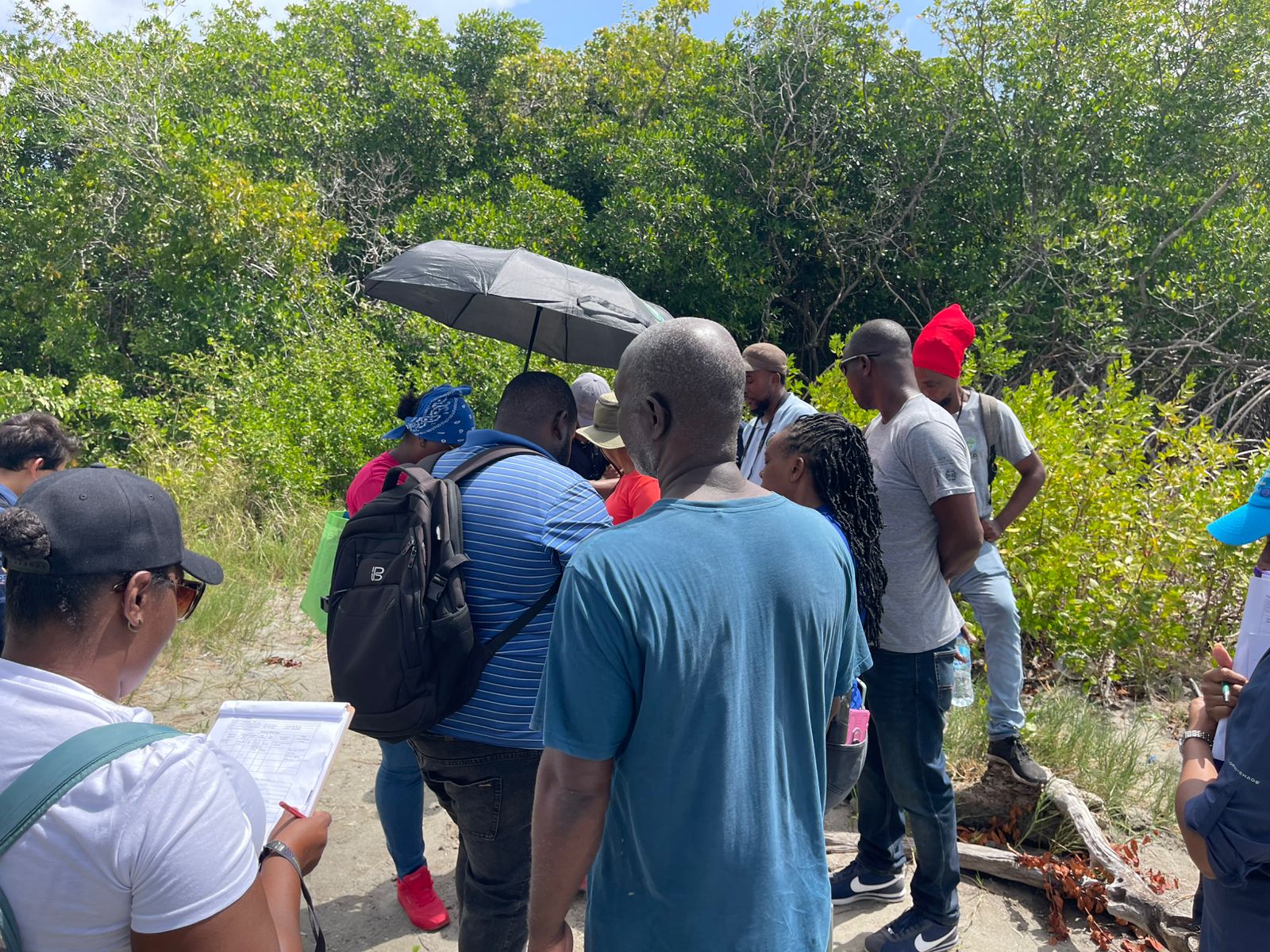
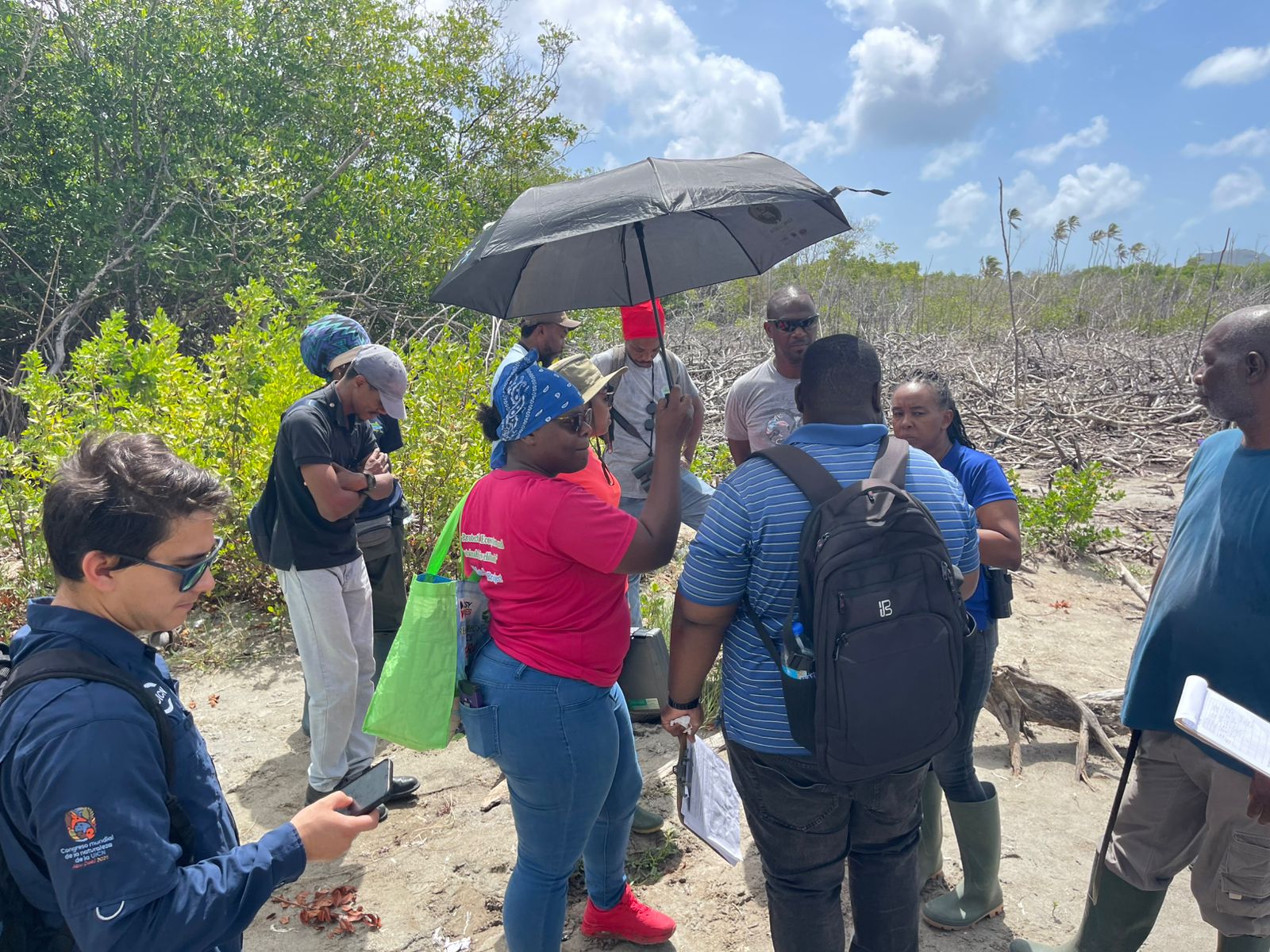
In recognition of World Wetlands Day on February 2, the International Union for Conservation of Nature (IUCN), in collaboration with the Ramsar Convention on Wetlands and the Ministry of Agriculture, Fisheries, Food Security, and Sustainable Development, hosted a week-long National Capacity Development and Monitoring Pilot Workshop under the Wise Use of Caribbean Wetlands for Climate Change Mitigation and Conservation of Wetlands Project, aimed at strengthening wetland management in Saint Lucia by enhancing participants’ skills in monitoring programmes, sustainable management practices, and conflict resolution strategies.
Forest Officer Nicole La Force Haynes highlighted the importance of the initiative, noting that improved monitoring capacity will directly inform future wetlands action plan development and guide national conservation strategies.
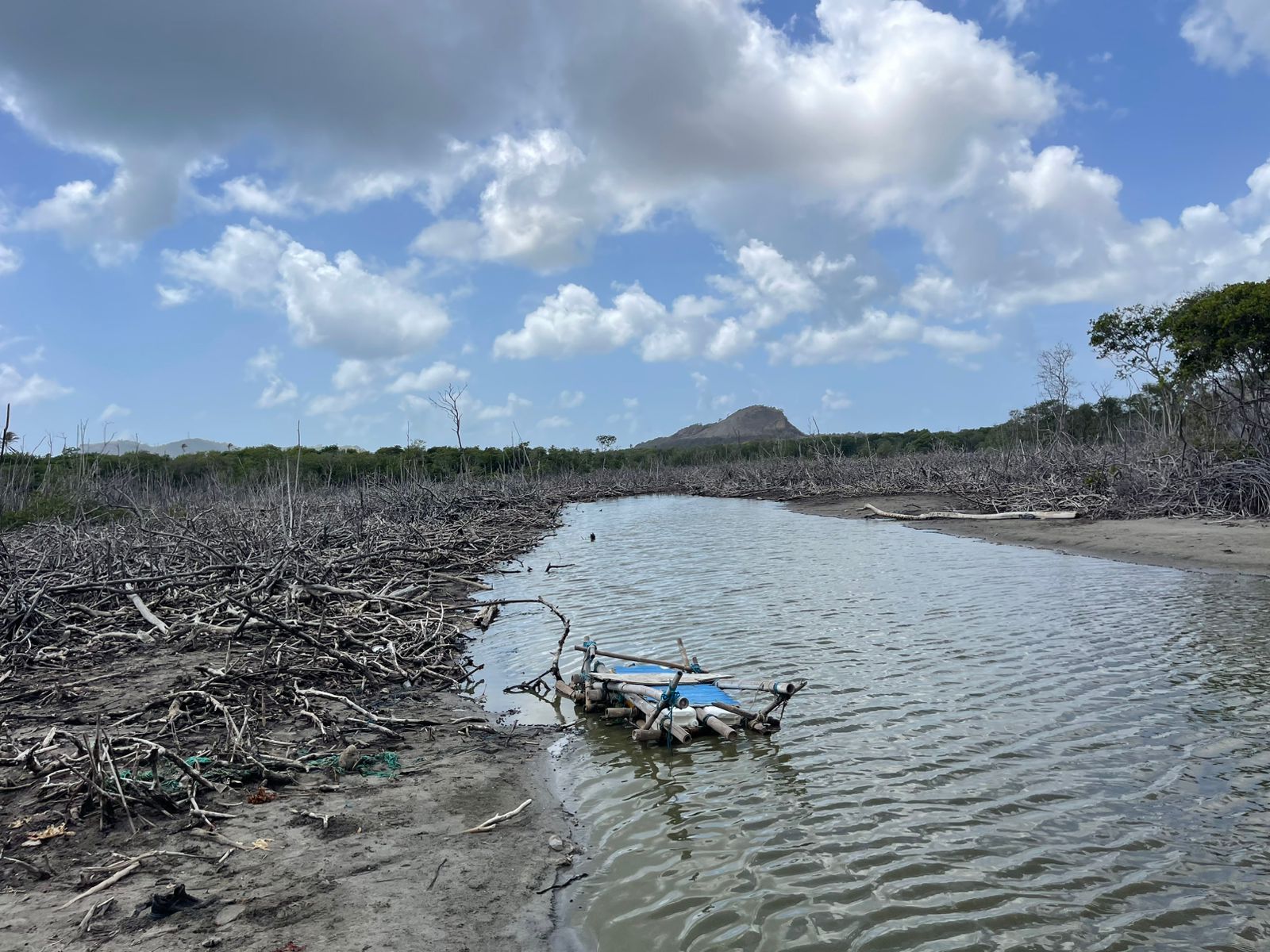
“ So the training we’ll be getting here today on monitoring and assessment, we could go and assess our wetlands especially our Ramsar sites, the Mankotè mangrove and the Savannes Bay mangrove. So we want to implement that training on the ground which will help guide our management directives and also decisions with regards to managing our wetlands in a sustainable manner. ”
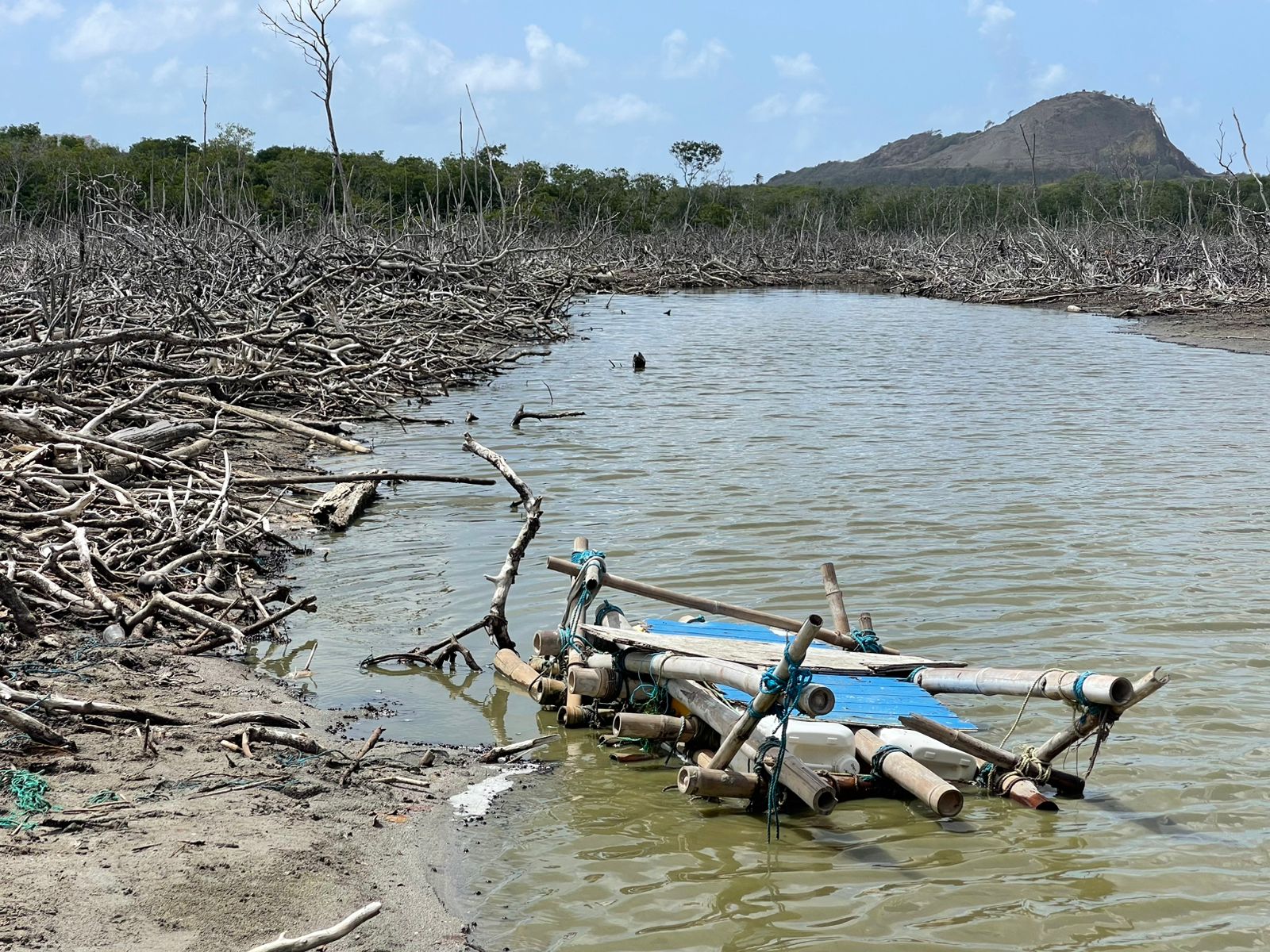
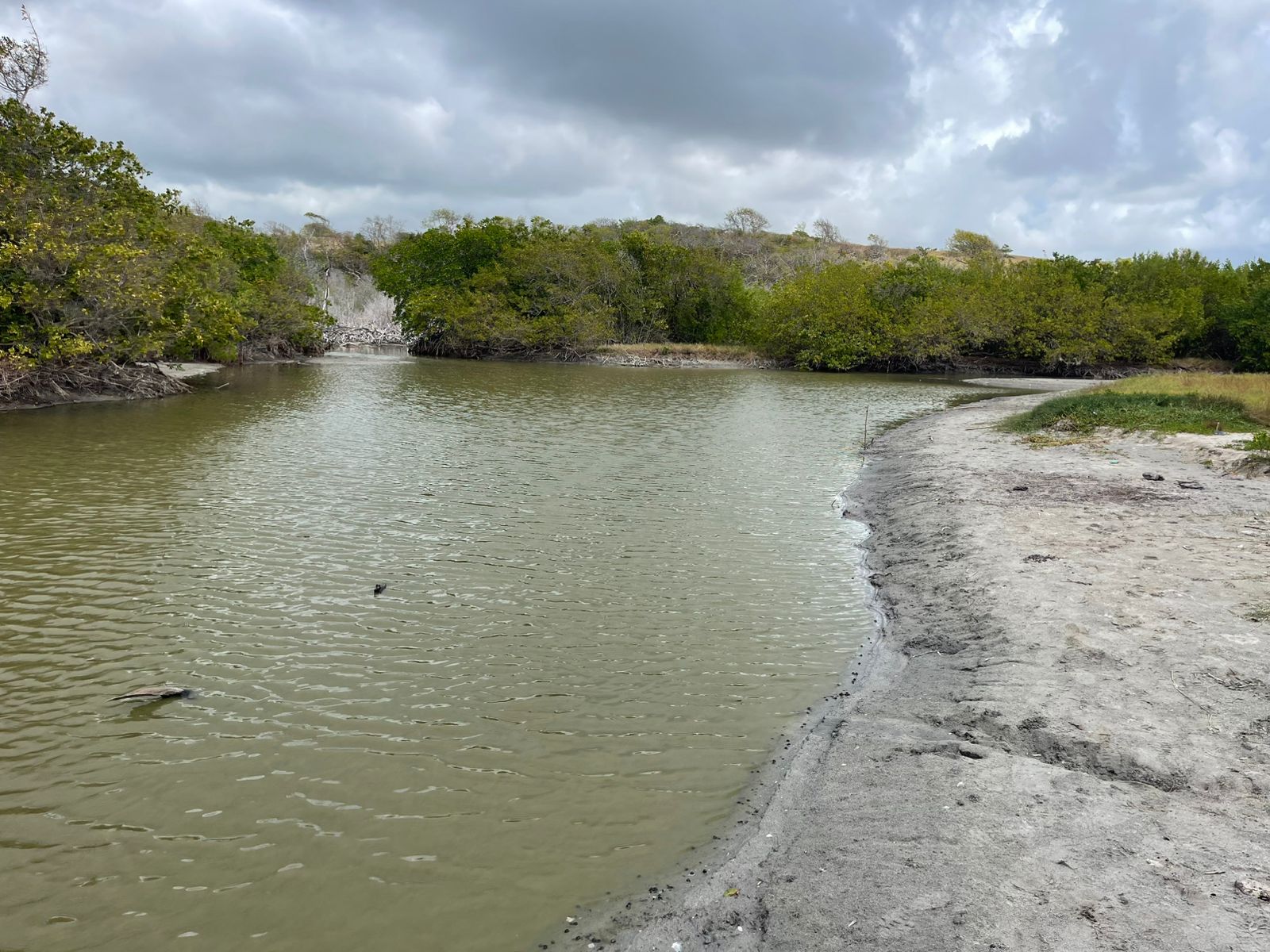
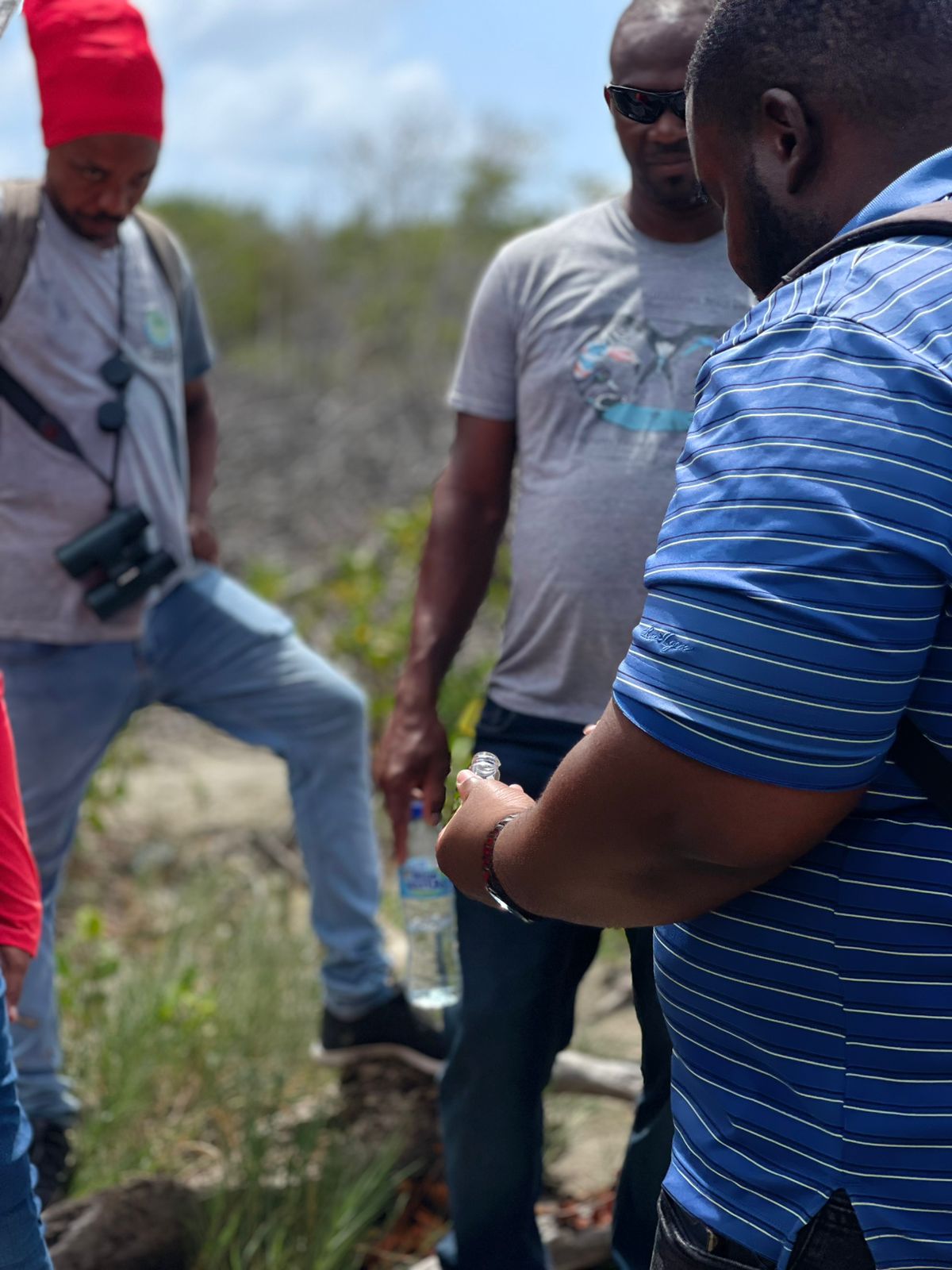
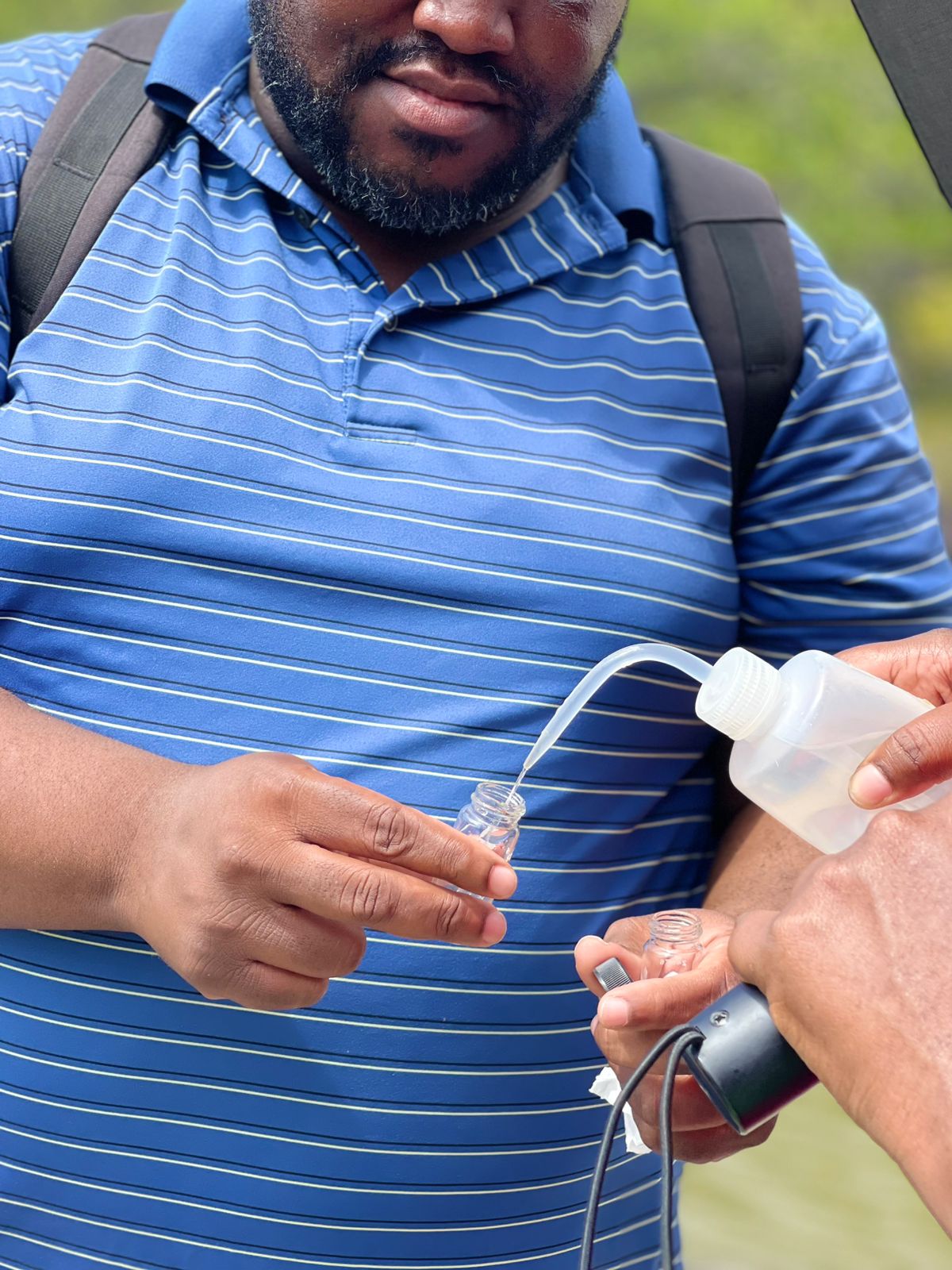
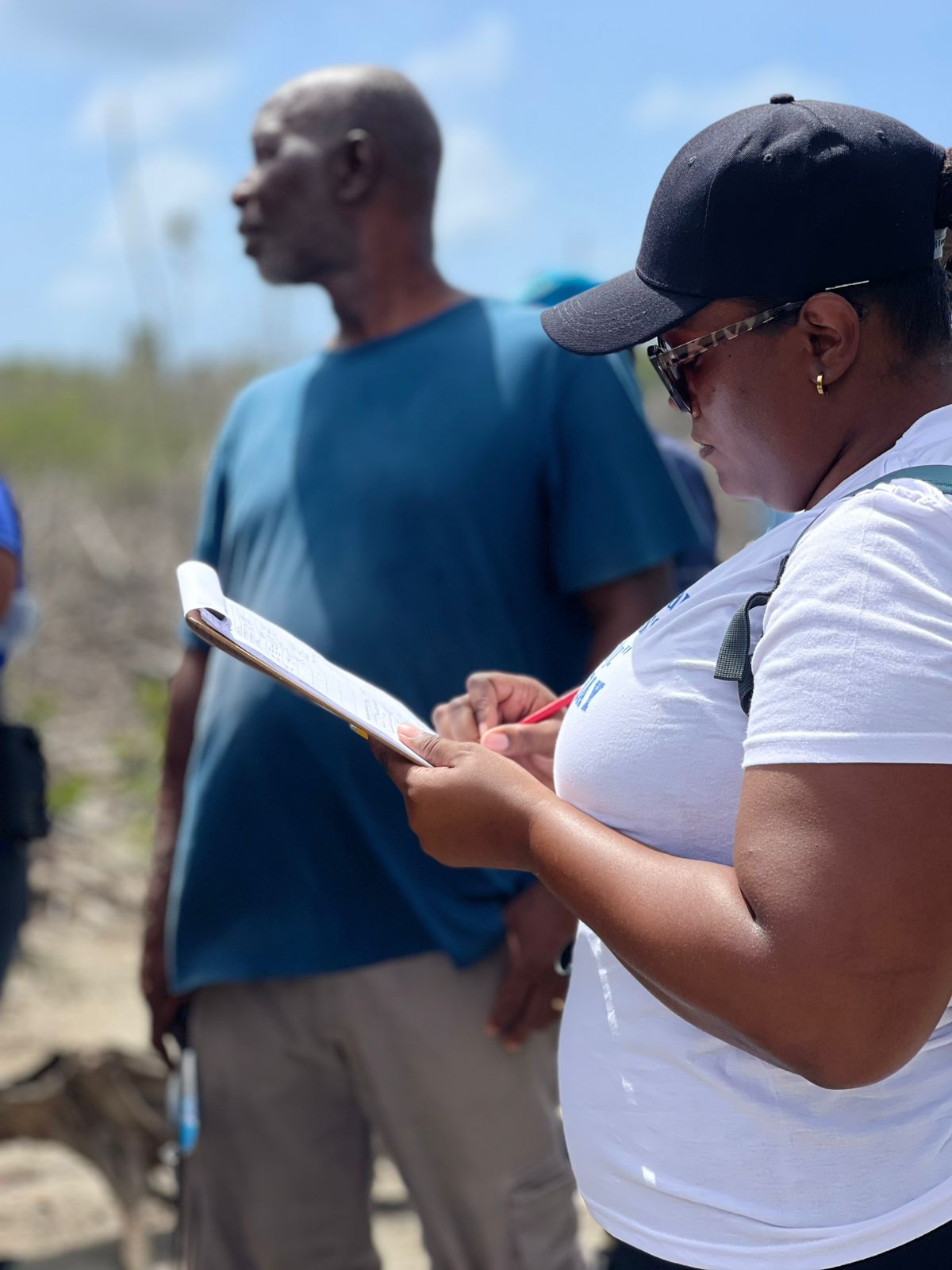
She emphasised the vital role wetlands play in Saint Lucia’s ecosystem and sustainable livelihoods, highlighting their importance in flood protection, biodiversity support, water quality improvement, and economic benefits for coastal communities. Participants conducted a field monitoring visit to the Mankotè Mangrove to apply practical monitoring techniques in a real-world setting.
“ Wetlands help protect us from storm surges and we know every year we face the threat of hurricanes, hurricanes that are strengthening, category 5 hurricanes even. So wetlands are very important because they also help provide livelihoods for many of our people. For instance, we have the Seamoss Farmers, we have the wetlands being a nursery for fish.
Without that, how will we get a healthy fishing environment so that we could enjoy fish as a people. So wetlands are very, very important. We have, for instance, at the Mankotè Mangrove, it has been going on for many decades where the persons do sustainable charcoal production at the Mankotè Mangrove.
So many livelihood activities, apiculture, and they have so much more potential with regards to use of our wetlands in providing sustainable livelihoods for our people. ”
With increasing climate change–related threats facing small island developing states, the need for proactive management and strengthened institutional capacity is paramount to ensure the protection and wise use of Saint Lucia’s wetlands.